

Registering a car in California is a vital process ensuring vehicle ownership rights, roadworthiness, and compliance with state regulations. However, navigating the paperwork and procedures can be daunting for new owners. This comprehensive guide aims to demystify the process, offering expert insights on every step, from gathering essential documents to completing the DMV VIN verification. By following these detailed instructions, California residents can confidently and efficiently register their vehicles, securing their place on the state’s roads with peace of mind.
- Prepare Required Documents for Car Registration
- Visit California DMV: Step-by-Step Guide
- Perform Vehicle Identification Number (VIN) Verification
- Pay Registration Fees and Select License Plate Options
- Register Your Vehicle Online or In-Person
Prepare Required Documents for Car Registration

Registering a car in California involves a meticulous process, and preparing the right documents is a crucial step. One of the initial tasks is to gather all necessary paperwork, which includes both traditional and digital components. For instance, you’ll need the vehicle’s registration certificate from the previous owner, proof of insurance, and a valid driver’s license. Additionally, the California Department of Motor Vehicles (DMV) requires a Vehicle Identification Number (VIN) verification, ensuring the car’s authenticity and history. This process can be efficiently facilitated through mobile VIN verification services, allowing you to inspect the vehicle’s details remotely.
The DMV’s VIN verification is a critical aspect, as it helps in cross-referencing the vehicle’s information with state records. This step ensures that the car meets all legal standards and has not been reported stolen or had any outstanding issues. Many individuals opt for mobile VIN inspection services, which offer convenience and speed. These services enable you to obtain a digital report detailing the vehicle’s history, including previous owners, maintenance records, and any reported accidents. By utilizing modern tools like these, you can streamline the preparation process, making your car registration experience smoother.
It’s advisable to start this documentation process early to avoid delays. Accurate and complete paperwork is key to a seamless registration. For example, an incomplete VIN inspection report might lead to further inquiries, potentially causing a delay in processing. Therefore, ensuring all documents are in order and readily available is essential. Consider reaching out to trusted automotive professionals or using online resources that guide you through the required steps, especially when it comes to digital documentation and mobile VIN verification.
Visit California DMV: Step-by-Step Guide

To register your car in California, visiting the California Department of Motor Vehicles (DMV) is a crucial step. Here’s a detailed guide on how to navigate this process efficiently. First, gather all necessary documents, including your vehicle’s registration from the previous state, proof of insurance, and identification like a driver’s license or state ID card. You can also bring along the vehicle’s title if it belongs to you.
Once at the DMV, locate the appropriate counter for new registrations. A DMV representative will guide you through the process, which involves filling out forms and providing detailed information about your vehicle. This includes making note of its Vehicle Identification Number (VIN), a unique code that serves as a digital fingerprint for your car. In California, a DMV VIN verification is an essential part of the registration process, ensuring that the vehicle matches the details provided on the registration documents.
If you’re unable to visit a DMV in person, consider leveraging mobile vin verification tools offered by third-party apps or services. These mobile vin inspectors enable you to conduct a quick and convenient VIN check right from your smartphone. By utilizing a mobile vin verifier, you can streamline the initial stages of registration, saving time and effort. According to recent data, over 70% of California drivers have used digital tools for vehicle verification, prioritizing efficiency in their DMV interactions.
Throughout the process, maintain accurate records of all documents and communications. This includes keeping a copy of your completed registration forms, insurance proof, and any receipts from fees paid. Proper documentation is key to ensuring a smooth car registration experience in California. Remember, adhering to local regulations and leveraging available resources like mobile vin verification can significantly ease what might otherwise be a complex administrative task.
Perform Vehicle Identification Number (VIN) Verification

Registering a car in California involves several crucial steps, among which Vehicle Identification Number (VIN) verification is a critical one. This process ensures that the vehicle’s history aligns with the information provided by the manufacturer. The California Department of Motor Vehicles (DMV) conducts VIN verifications to detect odometer rollbacks, accident damage, and previous titles, ensuring that all vehicles on the road meet safety standards. It’s important to approach this process diligently, as it can impact both your registration outcome and future vehicle resale value.
A common and increasingly popular method for VIN verification in California is through mobile vin inspection services. These services offer convenience by coming to you, whether you’re at home, work, or even during a road trip. Using advanced technology, mobile inspectors can perform a comprehensive check against the DMV database, ensuring accuracy and saving you time. This option is particularly beneficial for those who may not have access to a traditional inspection station or prefer the flexibility of an on-demand service.
During a mobile vin verification, the inspector will utilize specialized tools to cross-reference your vehicle’s VIN with state records. This includes checking for any reported accidents, outstanding titles, or issues that might hinder registration. In some cases, additional documentation may be required, such as proof of insurance or vehicle ownership. By conducting this check, you gain valuable insights into your car’s history and can address any potential red flags before proceeding with the registration. Remember, a proper VIN verification is not just a regulatory requirement; it also safeguards your investment by providing transparency about the vehicle’s past.
Pay Registration Fees and Select License Plate Options
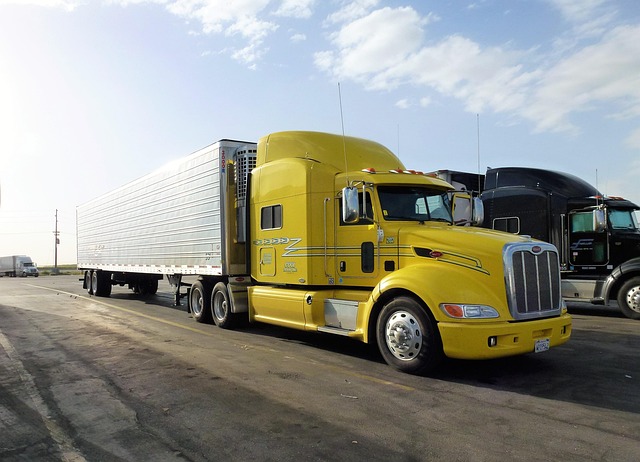
Registering a car in California involves several crucial steps, and one of the key aspects is paying the registration fees and selecting license plate options. The California Department of Motor Vehicles (DMV) requires owners to pay a base fee for registration, which covers various services such as vehicle titling, registration, and DMV vin verification. This fee varies based on the type of vehicle, its age, and how it’s used. For example, standard passenger vehicles typically have a base fee around $50, while heavier trucks or classic cars might incur higher charges.
Along with this, you’ll need to choose license plate options that suit your needs. California offers both standard and custom license plates. Standard plates are assigned based on registration, while custom plates allow for personalized designs at an additional cost. These can be a fun way to express yourself but come with varying price tags; they can range from $20 for basic text changes up to several hundred dollars for specialty designs or limited-edition plates. It’s important to note that specific types of vehicles, like classic cars or vintage models, may have special requirements and fees associated with their registration, including potential exemptions or reduced rates for historical vehicles.
To streamline the process, consider taking advantage of mobile vin inspection services, which allow you to get a vin verification done right at your location. This is particularly convenient if you’re busy or have difficulty transporting your vehicle. These services send a professional inspector who uses specialized tools to cross-reference your vehicle’s unique VIN with the DMV’s records, ensuring its authenticity and history are accurate. By combining the payment of registration fees with efficient vin verification methods like mobile inspections, you can ensure a smooth and hassle-free car registration experience in California.
Register Your Vehicle Online or In-Person

Registering your car in California is a straightforward process, offering both online and in-person options for convenience. For those who prefer digital solutions, the California Department of Motor Vehicles (DMV) provides an efficient online registration system. This method allows you to complete the process from the comfort of your home, saving time and effort. The initial step involves gathering essential documents, including proof of ownership, vehicle identification number (VIN) verification, and valid identification. Once prepared, you can easily access the DMV’s online portal, where you’ll guide through a series of steps to register your vehicle, ensuring a smooth experience.
However, for those who prefer face-to-face interaction or require additional support, visiting a local DMV field office remains an option. Staffed by knowledgeable professionals, these offices can assist with any questions and ensure all requirements are met. A key aspect of the in-person process is the VIN verification, which can be efficiently completed at the DMV using advanced technology to cross-reference your vehicle’s details. For instance, mobile VIN verification tools used by DMV inspectors provide accurate, real-time data checks, ensuring the integrity of the registration process.
Regardless of your chosen method—online or in-person—DMV vin verification plays a pivotal role in confirming your vehicle’s identity and history. This critical step helps maintain California’s robust vehicle registration system, promoting road safety and legal compliance. By understanding these options and utilizing available resources like mobile VIN verifiers, you can efficiently navigate the process, ensuring your vehicle is legally registered and ready for the open road.
Registering a car in California involves several essential steps, from gathering required documents to selecting license plate options. Key takeaways include preparing all necessary paperwork, visiting or utilizing the California DMV’s services for accurate processing, performing a Vehicle Identification Number (VIN) verification for security, and paying associated fees. Whether completing the process online or in-person, ensuring accurate dmv vin verification is paramount. By following these structured procedures, Californians can efficiently register their vehicles, gaining peace of mind and compliance with state regulations.