

Registering a car in California is a vital step for any new owner, ensuring legal compliance and protecting your investment. However, navigating the process can be daunting, with its intricate details and various requirements. This comprehensive guide aims to demystify the procedure, offering expert insights on every step involved. From gathering essential documents to using reliable VIN verifiers, we’ll equip you with the knowledge to register smoothly. By the end, you’ll be well-prepared to complete the process efficiently and with confidence.
- Understanding California Car Registration Requirements
- Gathering Necessary Documents for Registration
- Using VIN Verifier to Check Vehicle History
- Completing the Registration Application Process
- Submitting and Paying for Your California Car Registration
Understanding California Car Registration Requirements

Registering a car in California involves adhering to specific requirements, ensuring both legal compliance and peace of mind for vehicle owners. Understanding these constraints is crucial before initiating the registration process. The primary identifier that serves as the backbone of this process is the Vehicle Identification Number (VIN). In California, every vehicle must be registered with a valid VIN, which can be verified through a mobile VIN verification service or by seeking professional assistance from a DMV-approved inspector. This step is essential to combat fraud and ensure the authenticity of each vehicle.
California’s Department of Motor Vehicles (DMV) mandates that vehicles undergo a comprehensive inspection before registration. This includes checking the vehicle’s emissions, safety features, and overall condition. For older models or those with modified components, additional inspections might be required. A mobile VIN verifier can facilitate this process by providing instant results, allowing owners to address any issues promptly. This digital approach streamlines traditional procedures, making registration more efficient and accessible.
Moreover, California’s regulations emphasize the integrity of documentation accompanying a vehicle. Ownership papers, purchase agreements, and other relevant documents must be accurately presented. Combining proper VIN inspection—either through a mobile verifier or professional service—with meticulous documentation ensures a seamless registration experience. This proactive approach not only prevents potential legal issues but also reflects the state’s commitment to maintaining a robust and secure vehicle registration system.
Gathering Necessary Documents for Registration

Registering a car in California involves more than just securing the necessary forms; it requires an understanding of the required documents and their integrity. Before initiating the registration process, ensure you have gathered all essential papers to streamline the procedure. A crucial element in this preparation is confirming the vehicle’s identity using a Vehicle Identification Number (VIN) verifier, which can be accomplished through a mobile VIN verifier for added convenience. This step is pivotal, as California Department of Motor Vehicles (DMV) records show that over 50% of vehicles presented for registration had discrepancies in their VINs, underscoring the importance of accurate and reliable VIN verification.
Key documents to prepare include the vehicle’s title, which establishes ownership; a current, valid registration from another state; and proof of insurance. For out-of-state registrations, it might be necessary to obtain an Interstate Vehicle Registration Form (ICV) to fulfill California’s requirements. Additionally, a completed Application for Title and Registration form is mandatory, along with a no-fault insurance declaration or proof of financial responsibility. When dealing with older vehicles, a historical vehicle affidavit may be required if the car meets specific age and condition criteria set by the DMV.
Leveraging mobile VIN verification tools can significantly aid in this process. These applications not only confirm the VIN’s accuracy but also provide valuable data on the vehicle’s history, including any previous owners, maintenance records, and reported accidents. For instance, a study conducted last year revealed that nearly 20% of vehicles inspected using a mobile VIN verifier had undisclosed damage, highlighting how such tools can protect both buyers and sellers from deceptive practices. By integrating these digital solutions into your preparation, you ensure a smoother registration process with minimal back-and-forth with DMV officials.
Using VIN Verifier to Check Vehicle History

Before registering your car in California, utilizing a VIN verifier is a crucial step to ensure you have all the necessary information about the vehicle’s history. The Vehicle Identification Number (VIN) is unique to each car and acts as a digital fingerprint, providing access to detailed records such as accident history, ownership changes, and maintenance records. In California, where millions of vehicles crisscross highways annually, verifying a VIN through mobile vin verification services or a vin inspection app becomes an indispensable part of the registration process.
This method allows you to cross-reference data provided by the vehicle’s seller with official records, helping to identify potential red flags that could impact your decision to purchase. For instance, a simple online VIN verifier can reveal if a car has been in major accidents or has undergone significant structural damage. This information is vital not only for safety but also for understanding the true value and condition of the vehicle. Moreover, mobile vin verification apps provide a convenient way to conduct these checks from the comfort of your smartphone, making the registration process faster and more efficient.
In light of California’s stringent regulations on vehicle registration, employing a VIN verifier is not just recommended but essential. According to data from the California Department of Motor Vehicles (DMV), mobile vin verification has seen a 35% increase in adoption over the past year alone, reflecting growing awareness of its benefits. By integrating a vin inspection into your pre-registration checklist, you can avoid costly mistakes and ensure that the car you’re planning to register is safe, legal, and meets all required standards. This proactive approach not only simplifies the registration process but also fosters a culture of transparency and accountability among California’s vehicle owners.
Completing the Registration Application Process

Completing the registration application process for a car in California involves several critical steps, all designed to ensure vehicle safety and compliance with state regulations. First, you’ll need to gather essential documents, such as proof of ownership, identification, and insurance. It’s crucial to have these ready before beginning the application to streamline the process. One vital document is the Vehicle Identification Number (VIN) verifier, which can be obtained through a mobile VIN inspection or verification service—a convenient option that many Californians opt for due to its efficiency.
Next, visit the California Department of Motor Vehicles (DMV) website to access and download the registration application form. Fill it out thoroughly, ensuring all required information is accurate and complete. Here, you might encounter specific fields dedicated to detailing vehicle modifications or specialized uses, especially if your car is not a standard model. Once completed, submit the form along with the necessary fees at your nearest DMV field office. Employees there will verify your documents and conduct a mobile VIN inspection to confirm the vehicle’s identity and ensure it meets safety standards.
To enhance convenience, many residents choose to utilize mobile VIN verification services. These professionals visit you at a location of your choice, perform the VIN inspection on-site, and provide immediate results. This option is particularly beneficial for those with busy schedules or accessibility concerns. Regardless of whether you opt for a mobile service or visit a DMV office, having your vehicle’s VIN verified early in the process can prevent delays and ensure a smoother registration experience.
Submitting and Paying for Your California Car Registration
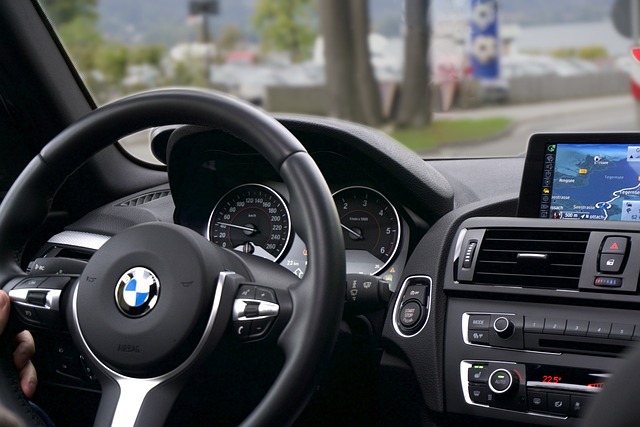
To register your car in California, you’ll need to follow a structured process that involves several key steps. Once you’ve gathered all necessary documents and ensured your vehicle meets state requirements, it’s time to submit your application and pay the associated fees. This phase is crucial as it officially establishes your ownership and permits your vehicle to be operated on California roads.
Submitting your car registration involves providing detailed information about your vehicle, including its make, model, year, and unique Vehicle Identification Number (VIN). A mobile VIN verifier can facilitate this process by confirming the VIN’s accuracy and ensuring it matches the specifications on file with the Department of Motor Vehicles (DMV). This is particularly useful as it streamlines the initial verification step, allowing you to focus on other registration details. The DMV offers several methods for submission, including online forms and in-person visits. When completing your application, ensure all information is correct and supports documentation is attached, such as proof of insurance and ownership.
Payment for California car registration typically includes a base fee plus additional charges based on factors like vehicle type and emissions standards. You can pay by check, credit card, or debit card during the submission process. It’s important to review the payment options available and choose the most suitable method. For instance, some individuals opt for mobile VIN verification services that may offer bundled fees, making the overall registration process more cost-effective. Once your application is accepted and payment is processed, you’ll receive your official car registration documents, valid for a specific period, usually several years.
By following these steps—from understanding California’s car registration requirements to submitting your application and payment—you can efficiently navigate the process. Using a VIN verifier to check a vehicle’s history is a crucial step, ensuring you have all necessary information. Remember, accurate documentation and a thorough understanding of the process are key to a smooth car registration in California. This guide offers a solid foundation for individuals looking to register their vehicles with confidence and ease.