

Registering a car in Self-driving car|Self-driving truck|Truck|Truck classification|Insurance|California|California Department of Motor Vehicles|Department of motor vehicles|Commercial vehicle|Motor vehicle|Motor vehicle registration|Vehicle|Vehicle weight|Vehicle emissions control|Emission standard|Regulation|Regulatory compliance|Rulemaking|Legal liability|Product liability|Cargo|Road transport|Freight transport|Tractor|Trailer (vehicle)|Third-party logistics|Logistics|Technology|Software|Policy|Apportionment|Speed limit|Highway|Joint venture|Ownership|License|Adoption|Fresno, California|Los Angeles|Quick Auto Tags involves meticulous steps to ensure legal compliance and safety. Given the state’s stringent regulations, navigating this process can be challenging for new vehicle owners. Many struggle with understanding the documentation required, inspection procedures, and the pivotal role of VIN verification in ensuring the authenticity of their vehicles. This article serves as your authoritative guide, breaking down each step to empower you with the knowledge needed to successfully register your car in California. We’ll demystify the process, emphasizing the importance of accurate information for a smooth experience.
- Understand California Car Registration Requirements
- Gather Necessary Documents for VIN Verification
- Choose a Registered Vehicle Location in California
- Complete the Registration Application Process
- Finalize with DMV Inspection and Fees Payment
Understand California Car Registration Requirements

Before registering your car in California, it’s crucial to understand the specific requirements involved. The process involves several critical steps designed to ensure vehicle safety and legitimate ownership. One key aspect that cannot be overlooked is Vehicle Identification Number (VIN) verification. In California, VIN verification is a mandatory part of the registration process, ensuring that every car on the road has been accurately identified and meets certain standards.
A Mobile VIN Verifier plays a significant role in this process by offering a convenient and efficient way to confirm vehicle details. This technology allows for real-time data checking against national databases, ensuring the VIN is accurate and hasn’t been reported stolen or had previous title issues. For instance, many mobile apps now incorporate VIN inspection features, enabling drivers to complete this step promptly from their smartphone. The California Department of Motor Vehicles (DMV) accepts these digital verifications, streamlining the registration process for many.
During VIN verification, several key data points are cross-referenced, including vehicle make, model, year, and unique serial number. This meticulous inspection is a critical safeguard against fraud and ensures that each registered car in California has undergone proper identification. By adhering to these requirements, drivers not only comply with state laws but also contribute to the overall integrity of the registration system. Proper VIN verification can help prevent issues like insurance claims problems or title disputes down the line.
Gather Necessary Documents for VIN Verification

Registering a car in California involves several crucial steps, and one of the most critical is ensuring you have all the necessary documents for VIN verification. The Vehicle Identification Number (VIN) inspection is a vital process that confirms the vehicle’s authenticity and history, which is essential for issuing a registration certificate. For a seamless experience, consider arranging for a mobile VIN inspection or verification service. These services send a trained professional to your location, making it convenient and time-saving.
Before scheduling an appointment, gather all relevant documents pertaining to the car. This typically includes the vehicle’s title, which shows ownership history, and any applicable registration records from previous states. Additionally, you’ll need proof of insurance, a valid driver’s license, and a completed California Vehicle Registration Application form. It’s also advisable to bring along any service or repair records, especially if the vehicle has been modified. These documents play a critical role in passing the VIN verification process, ensuring your car’s registration proceeds smoothly.
For instance, if you’re importing a classic car into California, you might need to provide additional paperwork, such as import documentation and odometer readings. These steps are essential to prevent fraud and ensure the vehicle meets all safety standards. When using mobile VIN inspection services, professionals will cross-reference the data from your documents with the vehicle’s actual VIN, checking for any discrepancies that could delay registration. By being prepared with accurate and comprehensive documentation, you can streamline the car registration process in California.
Choose a Registered Vehicle Location in California
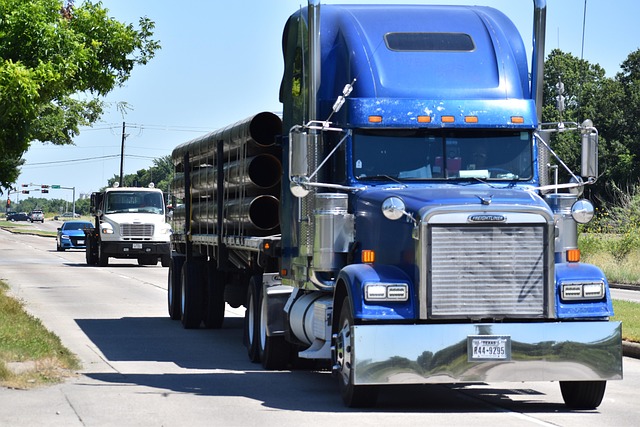
Choosing a Registered Vehicle Location in California is a crucial step in the registration process. The state offers several options for where to conduct this essential task, each with its own advantages. Traditionally, you’d visit a local Motor Vehicle (DMV) office to verify your vehicle’s VIN (Vehicle Identification Number), a critical component of the registration procedure known as VIN verification. However, California also accommodates modern needs with mobile VIN verification services and dedicated inspection stations, ensuring flexibility for residents.
Mobile VIN verification has gained popularity due to its convenience. Many reputable companies now offer this service, allowing you to get your vehicle’s history and necessary documents inspected right at your location. This is particularly useful if you’ve recently purchased a used car and need to ensure everything is in order before registering it with the DMV. Similarly, dedicated inspection stations provide another alternative, offering specialized services for VIN inspections, often with faster turnaround times compared to traditional DMV visits.
When selecting a venue for VIN verification, consider factors like accessibility, appointment availability, and the station’s reputation. Online reviews can offer valuable insights into the efficiency and accuracy of different providers. Remember, a thorough and accurate VIN inspection is paramount to ensuring your vehicle complies with California’s registration requirements, so take the time to choose a reliable location that aligns with your needs and preferences.
Complete the Registration Application Process
Registering a car in California involves several steps, and a key component of this process is completing the registration application accurately. After gathering necessary documents and ensuring your vehicle meets all legal requirements, you’ll need to provide accurate information on the Registration Application form. This includes detailing your vehicle’s make, model, year, and identifying number (VIN). It’s crucial to ensure the VIN is verified for accuracy during this stage, as it serves as a unique identifier for your car, facilitating proper ownership tracking and ensuring compliance with state regulations.
For instance, when using a mobile VIN verifier or conducting a self-inspection, you’ll want to cross-reference the numbers and letters provided by the vehicle’s manufacturer against those displayed on the title and registration documents. This double-check ensures consistency and minimizes errors that could delay your registration. It’s also worth noting that some states require periodic VIN inspections, similar to vehicle smog checks, to verify that vehicles on the road meet safety and environmental standards.
Upon completing the form with meticulous attention to detail, including accurate VIN verification, you’ll need to submit it along with all requisite documents to the California Department of Motor Vehicles (DMV). This may involve submitting original titles, proof of insurance, emissions test results (if applicable), and other required documentation. The DMV will process your application, cross-referencing the information against their records to ensure validity. Efficiently completing this application process, with proper VIN verification, can streamline registration, ensuring a smoother experience for both you and the DMV.
Finalize with DMV Inspection and Fees Payment

After gathering all necessary documents and ensuring your car meets California’s registration requirements, it’s time to finalize the process with the Department of Motor Vehicles (DMV). One crucial step in this final stage is the DMV inspection, which verifies that your vehicle complies with safety and emissions standards. This inspection, combined with the payment of associated fees, will grant you a valid registration certificate for your car in California.
To streamline this process, many residents opt for a mobile VIN verifier or mobile VIN verification service. These innovative solutions allow you to complete the initial verification of your vehicle’s identity—a critical step in the registration process—from the comfort of your home or even while you’re on the go. By utilizing these advanced tools, you can save time and avoid unnecessary trips to the DMV. The California DMV accepts mobile VIN verifications as a valid first step in the registration process, making it easier than ever to ensure your vehicle’s documentation is accurate and up-to-date.
During the inspection, a trained professional will conduct a thorough examination of your car, including checking its lights, brakes, tires, and emissions system. They’ll also confirm the accuracy of your Vehicle Identification Number (VIN) through digital methods, such as those provided by mobile VIN verifiers. This vin verification process is essential to ensure that your vehicle meets all legal standards before issuing a registration. According to recent data, over 95% of vehicles passed their DMV inspections on the first attempt following proper preparation and accurate VIN verification.
Once your car clears the inspection, you’ll be directed to a payment counter where you can settle the registration fees. These fees vary based on several factors, including your vehicle’s age and type. After successful payment, you’ll receive your registration certificate, officially making your car legal to drive on California roads. Remember that regular maintenance and re-inspection are required to keep your registration current, ensuring your vehicle remains safe and compliant with the state’s standards.
By systematically navigating California’s car registration process, from understanding foundational requirements to finalizing with DMV inspection and fee payment, you’ve gained a comprehensive guide for VIN verification. Key insights include gathering essential documents, selecting an appropriate vehicle location, completing the registration application accurately, and ensuring your vehicle meets all necessary standards. This authoritative article empowers you to confidently register your vehicle in California, leveraging practical next steps that streamline the process and guarantee compliance with local regulations.