

Registering a car in California is a vital step for any new owner, ensuring legal compliance and unlocking access to public roads. However, the process can be cumbersome, particularly with stringent regulations and a complex network of requirements. One critical aspect often overlooked is the DMV VIN verification, essential to ensure the vehicle’s authenticity and prevent fraud. This article serves as your comprehensive guide, equipping you with the knowledge to navigate this labyrinthine procedure effortlessly. We’ll demystify each step, from gathering necessary documents to completing the online registration, ensuring a smooth and stress-free experience.
- Gather Required Documents for Car Registration
- Prepare Your Vehicle for DMV Inspection (including VIN Verification)
- Complete the California Car Registration Application
- Submit Fees and Receive Your Registration Papers
- Register Your Vehicle Online or In-Person at the DMV
Gather Required Documents for Car Registration

Registering a car in California involves several crucial steps, and one of the most critical is ensuring you have all the necessary documents ready for submission to the DMV (Department of Motor Vehicles). The process begins with gathering essential paperwork, including proof of ownership and identification. Among these, the Vehicle Identification Number (VIN) plays a pivotal role, serving as a unique fingerprint for your vehicle.
DMV VIN verification is an integral part of the registration process. This involves cross-referencing the provided VIN with official records to ensure the car’s history aligns with the information on file. In California, you’ll typically need to present a valid VIN inspection report or use a mobile VIN verifier to obtain this critical data. A mobile VIN inspection app can provide real-time, accurate information, making it a convenient and efficient option for many residents. These tools allow you to quickly verify the vehicle’s details, including its age, make, model, and any reported accidents or outstanding issues.
When preparing your documents, remember that accuracy and timeliness are key. Double-check all details against your car’s registration and title records. If you’ve recently purchased a used vehicle, ensure the seller has completed a proper transfer of ownership and provided you with the necessary paperwork. Additionally, some jurisdictions may accept alternative forms of identification or proof of residency, so always confirm these requirements with your local DMV office for a seamless registration experience.
Prepare Your Vehicle for DMV Inspection (including VIN Verification)

Before you can register your car in California, your vehicle must pass a thorough inspection, including a critical step known as DMV VIN verification. This process ensures that your car meets all safety and emissions standards set by the state. To prepare for this inspection, start by ensuring your vehicle is in good working order. Check for any outstanding maintenance issues, such as faulty brakes or dim lights, which could fail the vin inspection. The Vehicle Identification Number (VIN) is a unique code imprinted on every car, acting as its fingerprint. For DMV VIN verification, you’ll need to provide this number to prove your vehicle’s authenticity. Consider using a mobile VIN verifier for convenience; these tools allow you to obtain and share your VIN digitally, streamlining the process.
During the inspection, the DMV will cross-reference your VIN with their records to ensure it matches the data on file. This includes verifying the vehicle’s age, make, model, and year to ensure compliance with California’s registration requirements. It’s crucial to have accurate and up-to-date information associated with your VIN. According to recent studies, approximately 1 in 5 vehicles fail inspection due to discrepancies in record-keeping or tampering with identification numbers. To avoid this issue, maintain a clean and transparent history for your vehicle. Keep detailed records of all maintenance work, repairs, and modifications, as these can be requested during the vin inspection process.
Additionally, ensure that any modifications made to your car are legal and properly documented. Unapproved alterations could lead to inspection failures and delays in registration. A mobile VIN inspection service can help by providing on-site verification, saving you time and potential headaches. By proactively preparing your vehicle for DMV VIN verification, you’ll ensure a smoother registration process and avoid unnecessary complications.
Complete the California Car Registration Application

Completing the California Car Registration Application is a crucial step in ensuring your vehicle complies with state regulations. This process involves several key elements, one of which is accurate and comprehensive documentation. Begin by gathering all necessary materials, including proof of ownership, valid identification, and any relevant emissions test results. The Department of Motor Vehicles (DMV) requires a Vehicle Identification Number (VIN) verification, which can be efficiently conducted through mobile vin inspection services for added convenience. These services allow for a quick and accurate check, ensuring your VIN is valid and the vehicle’s history is accessible.
Once you’ve confirmed your VIN, fill out the California Car Registration Application form meticulously. This form requires detailed information about your vehicle, including make, model, year, and specific features. Ensure that all data entered aligns with your car’s specifications to avoid future issues. The application process involves a fee, which varies based on your vehicle type and any additional registration services required. Paying attention to the fee structure ensures you’re prepared for the financial aspect of renewing your registration.
After completing the form, submit it along with the required documents and fees to the DMV. You can opt for traditional submission at a local DMV office or leverage mobile vin verification services that offer streamlined digital options. This modern approach facilitates a smoother process by eliminating paperwork and potential backlogs. By following these steps diligently, you’ll ensure your car’s registration in California is completed efficiently, allowing you to hit the road with peace of mind.
Submit Fees and Receive Your Registration Papers

To complete the registration process, you’ll need to submit various fees and undergo a crucial step known as DMV VIN verification in California. This process ensures that your vehicle’s identification number (VIN) is accurate and matches the data on record, safeguarding against fraud and ensuring safety standards. The fee structure varies based on several factors, including whether you’re registering a new or used car, changing ownership, or updating information. As of recent updates, the registration fee for most vehicles in California ranges from $50 to $249, depending on the type of vehicle and the services required.
One convenient service that many Californians opt for is the mobile VIN inspection or verification. This allows you to get your VIN checked remotely by a professional, eliminating the need to visit a DMV office. The process involves a certified inspector using specialized equipment to cross-reference the VIN with state records, ensuring its validity and accuracy. Mobile vin verification can be particularly beneficial for those who have difficulty accessing physical locations or prefer a more efficient, time-saving approach.
After successfully completing the VIN verification, you’ll receive your registration papers. These documents are essential not only for legal compliance but also serve as proof of ownership and insurance. Always review these papers carefully for accuracy, ensuring that all information, including the VIN, matches what was verified by the DMV. Keeping accurate records is paramount to avoiding future issues with vehicle registration or insurance claims.
Register Your Vehicle Online or In-Person at the DMV
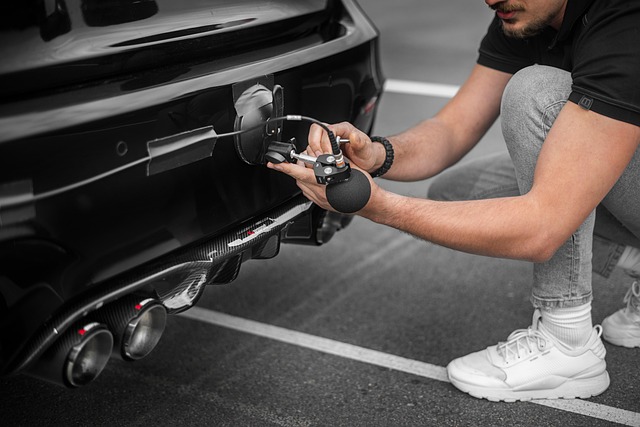
Registering a car in California involves several steps, with two primary options for completion: conducting the process online or visiting a Department of Motor Vehicles (DMV) office in person. Both methods have their advantages and cater to different preferences and circumstances. Online registration offers convenience, allowing you to complete the task from the comfort of your home, while in-person registration provides an opportunity for immediate clarification and personalized assistance.
For those opting to register online, the California DMV website provides a streamlined process that begins with entering your vehicle’s unique Vehicle Identification Number (VIN). This initial step is crucial as it facilitates the dmv vin verification process, ensuring the accuracy of your data. Inputting the VIN allows the system to pull up your vehicle’s details, including its make, model, and year. Following this, you’ll be guided through a series of digital forms, requiring information such as your personal details, ownership history, and insurance information. The online platform is designed to be intuitive, making data entry straightforward, though it’s essential to double-check all inputs for errors or omissions. Once submitted, your application will undergo processing, typically taking several business days.
In contrast, visiting a DMV office entails a more direct approach. Here, you’ll engage with a DMV representative who can guide you through the registration process and conduct a vin inspection in real time. This method is advantageous for those seeking immediate feedback or clarification on specific requirements. Moreover, some individuals may prefer the hands-on experience of dealing directly with a government agency. When visiting a DMV, be prepared to bring essential documents such as proof of ownership, identification, insurance, and any applicable fees. The representative will verify your VIN using a mobile vin verification tool, ensuring the vehicle’s information aligns with the registered data. This on-site process can often yield faster results than online registration, though waiting times may vary depending on office volume.
Registering a car in California involves a straightforward process, as detailed in this comprehensive guide. Key takeaways include gathering essential documents, preparing your vehicle for inspection, including successful DMV VIN verification, completing the registration application accurately, paying the required fees, and choosing between online or in-person submission at the DMV. By following these steps diligently, you ensure a smooth car registration process, empowering you to navigate California’s roads with confidence and compliance. This authoritative article equips readers with the knowledge necessary to accomplish this essential task efficiently.