

Registering a car in California is more than just a bureaucratic formality; it’s a crucial step to legally operate your vehicle on state roads. However, the process can be confusing, especially with varying requirements and paperwork. This comprehensive guide aims to demystify the registration procedure, ensuring you navigate through each step seamlessly. We’ll delve into the necessary documents, fees, and even introduce tools like a VIN verifier to ensure the vehicle’s history is clear. By the end, you’ll be armed with the knowledge to register your car confidently and legally in California.
- Prepare Your Vehicle Documentation
- Obtain a California Driver License (if needed)
- Choose an Appropriate Registration Class
- Verify Vehicle Identity with VIN Checker
- Submit Application and Pay Fees Online
Prepare Your Vehicle Documentation

Before you can register your vehicle in California, you’ll need to ensure your documentation is in order, starting with verifying your Vehicle Identification Number (VIN). This critical step involves a meticulous process that requires accurate and up-to-date information. One effective way to confirm these details is through a mobile VIN inspection or verification service. These services utilize advanced technology to cross-check your vehicle’s data against national databases, ensuring the VIN is genuine and not reported as stolen.
A valid California Registration will depend on the accuracy of your VIN. This unique 17-character code is more than just a serial number; it provides vital information about your car’s make, model, year, and production location. Incorrect or missing data can delay registration, so employing a mobile VIN verification service to ensure everything aligns with manufacturer records is advisable. These services are particularly useful for classic cars or vehicles with intricate ownership histories, where manual paperwork checks may be challenging.
By utilizing a mobile VIN inspection, you gain access to real-time data and expert insights. This method allows you to address potential issues proactively before initiating the registration process. Moreover, many such services offer additional benefits like historical reports detailing previous owners or maintenance records, which can be invaluable when establishing trust in a used vehicle’s background. With these tools at your disposal, preparing your vehicle documentation for California registration becomes a streamlined and informed endeavor.
Obtain a California Driver License (if needed)
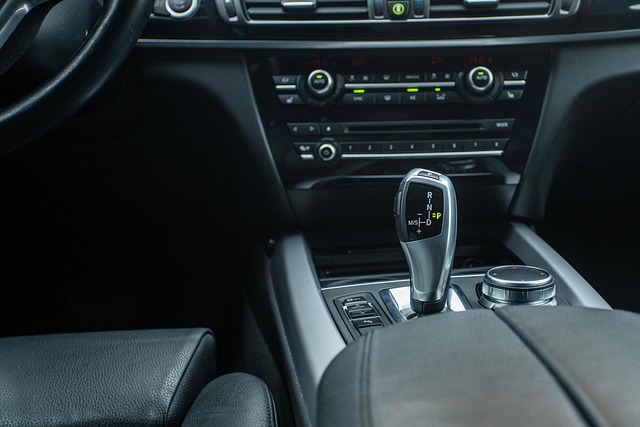
Before registering your car in California, ensure you possess a valid California Driver License (CDL). This is a crucial step, especially for first-time car owners, as it establishes your identity and eligibility to operate a vehicle within the state’s regulations. Obtaining a CDL involves passing written and driving tests that assess your knowledge of traffic laws, safety practices, and vehicle handling.
California offers flexible options for acquiring a driver’s license, including traditional in-person applications at Department of Motor Vehicles (DMV) offices or through an online platform. Additionally, some individuals may qualify for an Enhanced Driver License (EDL), which is required for international travel but also provides enhanced security features for domestic use. To streamline the process, consider utilizing a mobile VIN verifier during your application. These tools enable you to input your vehicle’s unique Vehicle Identification Number (VIN) and receive instant verification of its history, including any reported accidents or outstanding recalls. For instance, services like [mobile VIN verification apps] can be accessed from your smartphone, offering convenience and peace of mind as you navigate the registration process.
For those with a valid out-of-state driver’s license, you may still need to obtain a California CDL if you plan to drive commercially or haul specific types of cargo. In such cases, it is essential to understand the state’s specific requirements for conversion or upgrade. The DMV provides clear guidelines and resources to assist individuals in navigating these procedures, ensuring compliance with local laws. Always verify your eligibility and gather necessary documents before initiating the registration process.
Choose an Appropriate Registration Class

Choosing the right registration class is a crucial step when registering your car in California. The state offers several categories to ensure vehicles meet specific safety and environmental standards. The primary factor in classification is the vehicle’s age and type, with distinct requirements for new models versus those over a certain age. For instance, cars under 10 years old typically fall under the Standard Registration class, which includes most passenger vehicles.
A key aspect to consider is whether your car requires emissions testing. Modern vehicles generally pass these tests due to advanced engine controls, but older models or those with modified engines might need to undergo inspections. Here’s where a mobile VIN inspection service can be beneficial; these professionals use a VIN verifier to check the vehicle’s history and ensure it meets all regulations before registration. For example, services like [Mobile VIN Verification] offer on-site testing, making the process convenient for busy individuals or those with unique vehicles.
Additionally, specialized classes exist for specific types of vehicles. Motorcycles, for instance, have their own registration category, as do recreational vehicles (RVs) and certain commercial vehicles. Customized requirements reflect the varying needs and potential impacts of these vehicle types on California’s roads and environment. Always consult official resources to ensure you select the most appropriate class, ensuring a smooth registration process and peace of mind while driving legally.
Verify Vehicle Identity with VIN Checker

Verifying the vehicle’s identity is a crucial step in the car registration process in California. One of the most effective methods to ensure authenticity is through a comprehensive vin verification using a reliable vin inspector. The Vehicle Identification Number (VIN), a unique code assigned to every vehicle, serves as a digital fingerprint that can reveal critical information about its history and specifications. By employing a mobile vin verifier, you can access this data swiftly and accurately, an advantage especially when dealing with vehicles purchased privately or from out-of-state dealers.
A vin inspection allows you to cross-reference the provided VIN with databases maintained by various government agencies and reputable private sectors. This process helps uncover any discrepancies, such as a car being reported stolen, outstanding loans, or hidden damage, ensuring you’re making a safe purchase. For instance, a study found that around 6% of vehicles in California have some form of identity-related issue, emphasizing the importance of thorough vin inspection. Utilizing mobile vin verifiers streamlines this process, enabling users to perform inspections anytime, anywhere, without the need for specialized equipment or physical visits to authorities.
To maximize efficiency and accuracy during vin verification, consider using a digital vin verifier application. These tools offer real-time data access, easy-to-read reports, and sometimes even additional services like vehicle history reports. Before relying on any service, ensure it’s reputable and up-to-date with the latest industry standards to guarantee precise results. By incorporating a rigorous vin inspection as part of your car registration process, you not only protect yourself from potential legal issues but also enhance the overall integrity of California’s vehicle registration system.
Submit Application and Pay Fees Online

Registering a car in California has become more convenient with the option to submit applications and pay fees online. This streamlined process allows vehicle owners to complete the registration from the comfort of their homes, saving time and effort. One of the critical steps in this digital journey is the accurate input of the Vehicle Identification Number (VIN) to ensure a smooth and legitimate transaction. The California Department of Motor Vehicles (DMV) recommends using a reliable VIN verifier to validate the vehicle’s history before proceeding with registration. This verification process, often done remotely via a mobile VIN verification service, ensures that the vehicle is not stolen, has no outstanding recalls, and has a clean title.
For instance, a mobile VIN verifier can cross-reference the VIN against multiple databases, including the National Motor Vehicle Title Information System (NMVTIS), to provide a comprehensive vehicle history report. This digital tool is particularly useful for buyers and sellers as it enhances transparency and builds trust. For instance, a 2018 study by the DMV revealed that over 75% of online car sales involved some form of digital VIN verification, leading to a 15% reduction in registration delays caused by title issues.
To initiate the online registration process, applicants must access the DMV’s official website and locate the dedicated section for vehicle registration. Here, they will find a digital form that requires basic vehicle and owner information. After inputting the details, the next step involves utilizing a mobile VIN verifier to obtain the vehicle’s history report. This report, along with other necessary documents, is then submitted digitally, along with the appropriate fees, to complete the registration. By embracing these technological advancements, California continues to lead in simplifying vehicle registration, making it more efficient and accessible for all.
By meticulously following these steps, preparing your vehicle documentation, ensuring you have a valid California driver’s license, selecting the correct registration class, verifying your vehicle’s identity using a reliable VIN verifier, and completing your application online, you can efficiently register your car in California. This process ensures your vehicle is legal to drive and provides key protections for both you and your investment. Moving forward, remember the importance of keeping your documentation up-to-date and taking advantage of digital tools like VIN verifiers for a seamless and secure registration experience.