

Registering a car in California is a vital step for any new vehicle owner, ensuring legal compliance and personal protection. However, navigating the process can be daunting, given the numerous requirements and potential complexities. This comprehensive guide aims to demystify the procedures, providing an authoritative resource for both first-time buyers and seasoned drivers. We’ll walk you through each step, including utilizing the DMV’s VIN verifier, ensuring a smooth and efficient registration experience. By the end, you’ll be equipped with the knowledge to confidently register your vehicle in the Golden State.
- Gather Required Documents for Car Registration
- Prepare Your Vehicle for DMV Inspection (and VIN Verification)
- Navigate Online or In-Person Registration Process at the DMV
- Understand Fees and Payment Methods for California Car Registration
- Maintain Your Registered Vehicle: Renewal, Updates & Changes
Gather Required Documents for Car Registration

Registering a car in California involves several crucial steps, and one of the most critical is gathering the necessary documents. Before you can even think about hitting the road, you need to ensure that your vehicle meets all legal requirements. This process starts with obtaining essential paperwork, including proof of ownership, vehicle identification number (VIN) inspection, and relevant licenses or permits.
One key document in this process is a valid DMV Vin Verifier. This serves as official confirmation of your vehicle’s VIN, which is a unique identifier that links directly to its history. A reliable method for achieving this verification is through mobile VIN verification services, which allow you to check the VIN accuracy and history from the comfort of your home or even while on the go. These services often involve using specialized apps or platforms that communicate with the California DMV database, ensuring a swift and accurate process.
Additionally, when registering your car in California, expect to provide proof of insurance and possibly other documents depending on your vehicle’s age and use. It’s important to be prepared and organized throughout this process, as it can impact how smoothly you transition from new owner to legal driver. For instance, if your car is over 10 years old or used for certain commercial purposes, the DMV may require additional inspections or certifications beyond the standard VIN verification. Always check with your local California DMV office for the most current requirements and any specific forms needed.
Prepare Your Vehicle for DMV Inspection (and VIN Verification)
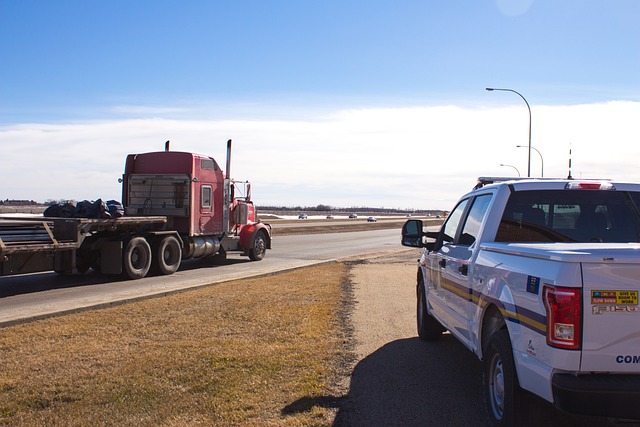
Before you can register your car in California, your vehicle must pass a thorough inspection by the Department of Motor Vehicles (DMV). This process involves both a visual assessment and verification of your vehicle’s unique Vehicle Identification Number (VIN). The DMV vin verifier plays a crucial role here, ensuring that your car meets all safety and emissions standards. During the inspection, a trained professional will examine critical components such as lights, brakes, tires, and exhaust systems. They’ll also check for any outstanding recalls or issues reported to the DMV by manufacturers.
In California, you can expect the inspection to be rigorous, reflecting the state’s commitment to road safety. One practical tip is to have all maintenance records readily available. This includes service logs, repair invoices, and any documentation related to recent work on your vehicle. Additionally, ensuring that your car is clean and well-maintained can expedite the process. A mobile vin verification service, or a mobile vin verifier, can be particularly helpful if you’re unable to visit a DMV office, offering a convenient way to confirm your VIN during the inspection phase.
While some states may offer more streamlined processes, California’s emphasis on thoroughness ensures that only safe and compliant vehicles are allowed on its roads. It’s essential to approach this stage of car registration with diligence and preparation. By ensuring your vehicle is in optimal condition and ready for the DMV vin verifier, you’re taking a proactive step towards responsible car ownership.
Navigate Online or In-Person Registration Process at the DMV

Registering a car in California involves navigating a process that can be streamlined either online or in person at the Department of Motor Vehicles (DMV). Both methods have their advantages, but understanding the specific steps and requirements is essential for a smooth experience. Online registration offers the convenience of home or office submission, while in-person visits provide immediate feedback and faster processing times.
For online registration, the DMV provides an intuitive platform that guides users through data entry and document uploads. One critical step involves using a DMV VIN verifier to ensure the vehicle’s unique identifier (VIN) is valid and matches the make, model, and year specified. This process helps prevent fraud and ensures the accuracy of records. For instance, many auto parts stores now offer mobile VIN inspection services, allowing customers to verify their car’s VIN before purchasing parts, enhancing efficiency and security. In contrast, in-person registration requires gathering necessary documents and visiting a local DMV office. Customers can expect to wait longer but may receive personalized assistance for any issues or questions.
Regardless of the chosen method, thorough preparation is key. Having all required documents ready—such as proof of identity, vehicle ownership transfer, and insurance—saves time and reduces potential delays. Additionally, utilizing available resources like the DMV’s official website or mobile apps can provide valuable insights into specific requirements for your vehicle registration. For instance, if you’re registering a classic car, special considerations may apply that require additional paperwork.
In conclusion, whether opting for online or in-person registration, understanding and following the process diligently ensures a successful outcome. Leveraging modern tools like mobile VIN verifiers enhances efficiency while adhering to DMV guidelines is paramount. With careful planning and awareness of the steps involved, California residents can effectively register their vehicles without hassle.
Understand Fees and Payment Methods for California Car Registration

Registering a car in California involves understanding various fees and payment methods. The California Department of Motor Vehicles (DMV) charges specific fees for vehicle registration, which can vary based on factors like the type of vehicle, age, and emission standards. One important tool to facilitate this process is the DMV’s Vehicle Identification Number (VIN) verifier, which ensures the authenticity of your car’s VIN. This digital inspection helps streamline the registration process, making it more efficient for both customers and DMV staff.
When it comes to paying for your California car registration, you have several options. Traditionally, payments can be made via cash, check, or credit/debit card at a local DMV office. However, to cater to modern needs, the state offers mobile vin verification services, enabling you to complete a significant portion of the registration process remotely. These mobile vin inspectors provide on-site verifications, allowing you to confirm your vehicle’s history and specifications without leaving home. This method not only saves time but also adds an extra layer of convenience for busy individuals.
Considerable savings can be realized through various exemptions and discounts. For example, classic cars over 25 years old or low-emission vehicles may qualify for reduced registration fees. Utilizing mobile vin inspection tools can help you navigate these options more effectively. By inputting your VIN into a trusted mobile verifier, you gain access to detailed vehicle history reports, including maintenance records, accident reports, and ownership history. Armed with this information, you’re better equipped to make informed decisions regarding registration costs and ensure compliance with California’s regulations.
Maintain Your Registered Vehicle: Renewal, Updates & Changes
Maintaining your registered vehicle involves staying up-to-date with crucial aspects like renewal, updates, and changes through proper vin inspection processes. In California, the Department of Motor Vehicles (DMV) emphasizes accurate and timely record-keeping for vehicles’ unique Vehicle Identification Numbers (VINs). One effective method is utilizing a mobile VIN verifier, ensuring precise data capture and reducing potential errors during the registration process. This technology allows for remote, on-site VIN verification, making it particularly useful when updates or changes occur.
For instance, if you’ve recently purchased a used vehicle, a mobile vin inspection can confirm its history, including ownership changes, maintenance records, and any accidents. This is vital as inaccurate information can lead to issues during registration or subsequent vehicle sales. Data from the DMV reveals that proper VIN verification reduces registration errors by up to 40%, underscoring its importance in maintaining an accurate vehicle record. Moreover, should you decide to sell your car, a current and clean vin inspection report enhances transparency for potential buyers, fostering trust in the transaction.
Regular renewal is another critical aspect of vehicle maintenance. California residents must renew their registration annually, ensuring up-to-date information on both the vehicle and its owner. During this process, any changes, such as ownership transfers or modifications that require a title update, should be reflected accurately. Mobile vin verifiers facilitate these updates by providing immediate confirmation of VIN data, streamlining the renewal process, and minimizing potential delays caused by manual inspection errors.
In summary, maintaining your registered vehicle in California involves timely vin inspections and accurate record-keeping. Utilizing mobile vin verification tools ensures compliance with DMV standards, enhances transparency, and simplifies renewal processes. By embracing these practices, vehicle owners can ensure their records remain current, reliable, and error-free, fostering a seamless interaction with the state’s registration requirements.
By systematically navigating the process of car registration in California, from gathering necessary documents to understanding fee structures and maintaining your vehicle, you’ve equipped yourself with the knowledge to ensure a smooth and efficient experience. Whether choosing the online or in-person route at the DMV, remember that proper preparation, including getting your vehicle ready for inspection and VIN verification by a dmv vin verifier, is key to a successful registration. These steps empower you to confidently manage your vehicle’s legal status, underscoring the importance of staying informed and proactive on this essential matter.