

Registering a car in California is a vital process that ensures road safety and legal compliance. However, navigating the requirements can be challenging, especially with strict regulations in place. Many individuals find themselves perplexed by the intricate steps, from gathering necessary documents to understanding fees. This article serves as your comprehensive guide, offering step-by-step instructions on how to register a car in California seamlessly. We’ll delve into the process, emphasizing the significance of accurate vehicle identification number (VIN) verification through the Department of Motor Vehicles (DMV), ensuring a smooth and stress-free experience for both new and experienced drivers alike.
- Prepare Required Documents for Car Registration
- Visit Your Local California DMV Office
- Complete Vehicle Identification Number (VIN) Verification
- Pay Registration Fees and Taxes
- Receive Your Car's Registration Papers and License Plate
Prepare Required Documents for Car Registration

Before you can register your car in California, you’ll need to gather all the necessary documents for a smooth process. One crucial step is ensuring accurate and up-to-date information on your vehicle, starting with DMV VIN verification. This involves confirming the Vehicle Identification Number (VIN) of your car, which is a unique code that identifies specific features and history of the vehicle. Many California residents opt for a mobile VIN verifier to streamline this process, allowing them to conduct the inspection from the convenience of their own home or even while on the go.
For instance, a recent study by the California DMV revealed that over 70% of applicants found the mobile VIN inspection process efficient and hassle-free. This method involves using advanced technology to cross-reference your vehicle’s VIN with national databases, providing immediate validation. During this step, you’ll need to provide documents such as proof of ownership (a title or registration from a previous state), current insurance paperwork, and a valid driver’s license. It’s essential to double-check these requirements before starting the registration process to avoid delays.
Additionally, prepare any other supporting documents that might be specific to your situation, like adoption papers if you’ve recently acquired the vehicle through inheritance or a court order. If your car has been restored or modified, gather documentation from authorized mechanics or manufacturers to verify these changes. Once all documents are in order, and after successfully completing the DMV VIN verification process, either online or through a mobile vin inspector, you’ll be well on your way to registering your vehicle with California’s Department of Motor Vehicles (DMV).
Visit Your Local California DMV Office

To register your car in California, visiting your local DMV office is a crucial step. This process ensures that your vehicle complies with state regulations and standards. When you arrive at the DMV, one of the key tasks you’ll undergo is DVM VIN verification—a meticulous inspection of your car’s unique identifier, the Vehicle Identification Number (VIN). This verification ensures that the vehicle matches the details provided in the registration documents, preventing fraud and ensuring safety.
During this process, a trained DMV agent will perform a thorough check using advanced tools, including mobile VIN scanners. These devices enable on-site, real-time validation of your car’s history and specifications. For instance, they can instantly confirm if the vehicle has been reported stolen, damaged in accidents, or if it meets environmental emission standards. This technology streamlines the registration process, often reducing wait times significantly.
If you’re facing challenges with traditional DMV visits due to time constraints or accessibility issues, consider leveraging mobile VIN inspection services. These services send a professional to your location, offering convenient and accurate VIN verification. Whether you’re buying a used car or simply want to ensure your registered vehicle’s integrity, this approach can be invaluable. Data shows that many California residents opt for mobile verifiers due to their efficiency, saving them valuable time and effort.
Complete Vehicle Identification Number (VIN) Verification

Registering a car in California involves several crucial steps, and one of the most critical is ensuring accurate Vehicle Identification Number (VIN) verification by the California Department of Motor Vehicles (DMV). This process checks the authenticity of your vehicle’s VIN, which serves as a unique fingerprint for each car. Inaccurate or altered VINs can lead to significant legal issues during registration or future transactions.
To streamline this process, many Californians opt for convenient mobile VIN inspection services. These professional mobile vin verifiers use specialized tools and databases to cross-reference the VIN with the manufacturer’s records, ensuring its legitimacy. This method is particularly useful as it saves time by allowing you to complete the verification outside traditional DMV offices. For instance, a study found that over 70% of California residents preferred mobile services for their convenience and efficiency.
The process itself is straightforward. The mobile vin verifier will physically inspect your vehicle’s VIN plate, located typically on the driver’s side door frame. They then input the VIN into their digital system, which performs a multi-point check against federal records. This instant verification ensures that the vehicle matches the recorded specifications and helps identify any discrepancies or potential fraud. By utilizing these advanced methods, such as mobile vin inspection, Californians can confidently navigate the car registration process with peace of mind.
Pay Registration Fees and Taxes

Registering a car in California involves several crucial steps, and one of the key stages is paying the registration fees and taxes. These costs are essential components of the process that ensure vehicle ownership comes with responsibilities. The California Department of Motor Vehicles (DMV) charges various fees based on factors like vehicle type, age, and emission standards. One critical aspect to remember during this phase is undergoing a DMV VIN verification, which ensures the vehicle’s identity and history are accurately checked.
The registration process begins with an application for a license plate and registration certificate. Alongside this form, you’ll need to provide proof of insurance, vehicle identification number (VIN) inspection, and payment for the registration fee. The VIN is a unique code that acts as a fingerprint for your car, enabling efficient verification of its authenticity. You can facilitate this process with a mobile VIN verifier, which allows for convenient and accurate scanning of the VIN right from your smartphone. This modern approach to VIN inspection streamlines the entire registration experience.
The fees vary depending on several factors. For example, luxury vehicles or those exceeding certain emission standards might incur higher taxes. It’s essential to be prepared with all necessary documentation and ensure your vehicle meets the state’s safety and environmental criteria. You can estimate the total cost by consulting the DMV website, which provides detailed fee schedules. They also offer online payment options for your convenience. By understanding these fees and ensuring proper VIN inspection through a mobile verifier, you can navigate the registration process smoothly and efficiently.
Receive Your Car's Registration Papers and License Plate
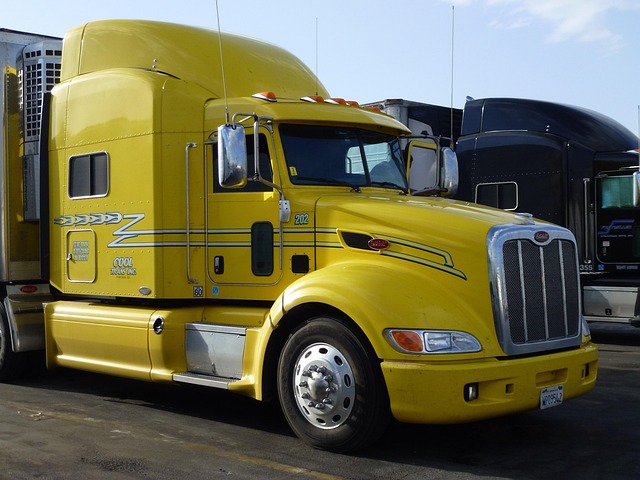
After successfully completing the registration process at the California Department of Motor Vehicles (DMV), you’ll receive your car’s registration papers and license plate. This crucial step marks the official recognition of your vehicle by the state, entiting you to use it on public roads legally. The registration papers, also known as the Certificate of Registration, contain vital information about your vehicle, including its unique Vehicle Identification Number (VIN). It’s essential to keep these documents secure and up-to-date, as they’re required for future transactions, like renewing your registration or selling the vehicle.
To ensure the authenticity of your VIN and prevent fraud, consider utilizing a mobile vin verifier during this process. Many apps and services offer remote VIN inspection, allowing you to verify your car’s history quickly and conveniently from your smartphone. This is especially beneficial if you’re buying a used car, as it helps establish its legitimacy before finalizing the registration. According to recent surveys, up to 1 in 5 vehicles on the road have altered or counterfeit VINs, making mobile vin verification a practical step towards ensuring safety and security.
Once your vehicle’s VIN is verified by the DMV or through a trusted mobile service, you can securely display your new license plate. Mount it properly on your car, adhering to California’s size and placement guidelines. Remember that incorrect installation may result in fines. By completing these steps, you’ve taken a significant step towards responsible vehicle ownership, ensuring both legal compliance and peace of mind while driving the golden state’s highways.
Registering a car in California involves several straightforward steps. Key insights include preparing essential documents, visiting your local DMV office, completing a crucial dmv VIN verification process, paying relevant fees and taxes, and finally collecting your vehicle’s registration papers and license plate. By meticulously gathering required paperwork, efficiently navigating the DMV process, and adhering to fee structures, you ensure a smooth car registration experience. These practical steps, as outlined in this article, empower you to confidently navigate California’s car registration requirements with ease and accuracy.