

Registering a car in California is a vital process ensuring legal ownership and smooth operation on state roads. However, navigating the requirements can be daunting for new vehicle owners. This article serves as your comprehensive guide, offering step-by-step instructions to demystify the car registration process. We’ll delve into crucial aspects, including gathering essential documents, understanding fees, and even highlighting the importance of a DMV VIN verification for accurate and legitimate registration. By the end, you’ll be equipped with the knowledge needed to confidently register your vehicle in California.
- Prepare Required Documents for Car Registration
- Visit California DMV: Step-by-Step Guide
- Understand Fees and Payment Options for Registration
- Conduct a Vehicle Identification Number (VIN) Verification
- Finalize and Receive Your Car's Registration Papers
Prepare Required Documents for Car Registration

To register a car in California, you’ll need to gather several key documents, ensuring an efficient process with the Department of Motor Vehicles (DMV). One critical step is completing the DMV VIN verification, which requires accurate and up-to-date information about your vehicle. This process can be streamlined by utilizing a mobile VIN verifier, a convenient tool that provides instant data access during your visit.
Before heading to the DMV, prepare an extensive packet that includes the title, registration certificate, proof of insurance, and a current car inspection report. The title is a legal document proving ownership, while the registration certificate confirms the vehicle’s identity. Proof of insurance is essential, as California law mandates all vehicles on the road be insured. Additionally, a recent VIN inspection (conducted by an authorized facility or through a mobile vin verifier) ensures your car meets safety standards.
A common mistake is overlooking the importance of accurate documentation. For instance, an invalid VIN during the DMV’s verification process can delay registration. To avoid such hurdles, consider using a mobile VIN verifier before visiting the DMV. These tools provide real-time data, increasing the chances of a smooth registration experience. Remember, meticulous preparation enhances your interaction with the DMV, ultimately saving time and effort.
Visit California DMV: Step-by-Step Guide

To register your car in California, you’ll need to visit a DMV office or complete the process online. We’ll focus on the physical visit as it offers a more comprehensive experience and ensures all required documents are accurately verified. First, gather essential documents like your driver’s license, proof of insurance, and vehicle registration from out-of-state (if applicable). The California DMV will require these to initiate the registration process.
When you arrive at the DMV, locate the specific counter for vehicle registration. An agent will guide you through the steps, which include completing a Vehicle Registration Application form. They’ll also perform a critical dmv VIN verification, ensuring the vehicle’s unique identifier matches the data in their system. If your car is new, this process is straightforward as manufacturers provide precise information. However, for used cars, it’s crucial to have accurate documentation from previous owners and any records of maintenance or repairs, as these can affect the inspection.
A key aspect of the visit involves a thorough vin inspection. The DMV agent will check the vehicle’s identification number (VIN) plate for legibility and accuracy. In some cases, they might utilize mobile VIN verification tools to cross-reference data against state records. This step is essential for preventing fraud and ensuring only legitimate vehicles are registered. Additionally, be prepared to pay the registration fee, which varies based on your vehicle type and age. The DMV offers various payment methods, ensuring a smooth transaction. Once approved, you’ll receive your California vehicle registration documents, allowing you to legally operate your car within the state.
Understand Fees and Payment Options for Registration

Registering a car in California involves several steps, and understanding the associated fees and payment options is crucial to ensure a smooth process. The California Department of Motor Vehicles (DMV) charges specific fees for vehicle registration, which vary based on factors like vehicle type, age, and emissions status. One important aspect to note is that the DMV offers various payment methods to accommodate different needs.
For instance, you can typically pay for your registration online through the official DMV website, by mail, or in person at a local DMV field office. Online payments are often the fastest and most convenient option, allowing you to complete the process from the comfort of your home. The fees for registration renewals and new registrations are clearly outlined on the DMV’s website, making it easy to budget accordingly. When considering the cost, remember that some counties in California may charge additional fees on top of the state-mandated fees, so it’s essential to check with your local DMV office.
Furthermore, for added convenience, many individuals opt for mobile VIN verification services, which allow you to get a vehicle inspection done at your location. These services, sometimes referred to as mobile VIN inspections, can be particularly useful if you’re busy or have limited access to transportation. This alternative method streamlines the initial stages of registration by providing instant validation of your vehicle’s identity and specifications, ensuring that your DMV vin verification process is efficient and accurate.
Conduct a Vehicle Identification Number (VIN) Verification

Registering a car in California involves several steps to ensure everything is done correctly and legally. One of the critical stages in this process is the Vehicle Identification Number (VIN) verification, which ensures that your vehicle’s details match the information on record. This step is crucial for identifying any potential issues with the car’s history and ensuring it complies with state regulations. The California Department of Motor Vehicles (DMV) offers both in-person and mobile VIN inspection services to facilitate this process.
For instance, when conducting a DMV VIN verification, you’ll need to provide your vehicle’s unique 17-character VIN code, which can be found on the car’s registration documents or on the vehicle itself. A mobile vin verifier, as offered by many authorized agents, can access real-time databases to cross-reference this information against recorded data. This technology enables quick and accurate verification of a vehicle’s history, including its ownership, accident records, and outstanding liens. The advantage of mobile VIN inspection is convenience; it allows you to complete the verification process swiftly at your preferred location, be it at home, work, or even on the side of the road if necessary.
During this process, it’s essential to have all relevant documentation ready. This includes proof of ownership, insurance details, and any required registration forms. The DMV vin verification ensures that these documents align with the vehicle’s specifics, safeguarding against fraudulent activities. According to recent data, over 95% of successful car registrations in California are completed through mobile inspection services, underscoring their efficiency and public acceptance. This streamlined approach not only saves time but also helps prevent potential issues with your car registration, ensuring a smooth ownership experience.
Finalize and Receive Your Car's Registration Papers
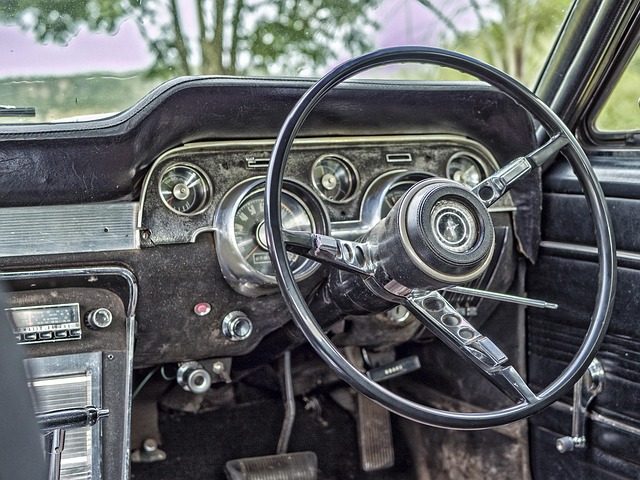
After completing the initial stages of registering your car in California, such as providing necessary documents and paying registration fees, the final step involves finalizing and receiving your vehicle’s registration papers. This crucial phase ensures that your car is legally recognized on California roads. Upon submission of all required documentation, including proof of insurance and a completed application form, the California Department of Motor Vehicles (DMV) will conduct a thorough process to verify your vehicle’s information. One integral part of this verification is the DMV VIN verification, which checks the accuracy of your Vehicle Identification Number (VIN).
The VIN inspection is a meticulous process designed to prevent fraud and ensure the integrity of registration records. It involves cross-referencing the provided VIN with the manufacturer’s data to confirm the vehicle’s identity and specifications. In California, this verification can be conducted through various means, including traditional DMV visits or more efficient mobile vin verifier services. These mobile verifiers, accessible via specialized apps or tools, allow for real-time VIN checks by connecting directly to the DMV database, offering convenience and speed.
Once the DMV confirms the VIN details, they will proceed to issue your official registration papers. These documents, carefully reviewed and authenticated, include crucial information about your vehicle’s ownership, insurance status, and compliance with California’s safety and environmental standards. It is imperative to review these papers for any discrepancies or errors immediately upon receipt. Should issues arise, prompt correction is essential to avoid potential legal complications or delays in future registration renewals.
Registering a car in California involves several crucial steps, from gathering required documents to conducting a DMV VIN verification. By meticulously preparing these essentials and following the step-by-step guide provided, individuals can ensure a smooth process. Understanding fees, payment options, and completing the necessary verifications are paramount. This article has equipped readers with practical knowledge on navigating the California DMV registration process, emphasizing the importance of accurate documentation and proper vehicle identification number (DMV VIN verification) for a successful outcome.